Integrating Smart Phone Screen Aesthetics and Rugby Ball Imagery in Modern Digital Design
The convergence of digital technology and traditional sports imagery presents a unique opportunity for creators, designers, and marketers. When we examine the visual language of contemporary media, two distinct elements often emerge as powerful symbols: the sleek, illuminated Smart Phone Screen and the textured, iconic shape of a Rugby Ball. Combining these motifs into a single vector artwork allows for a versatile design asset that bridges the gap between modern connectivity and athletic tradition. This article explores how such a specific graphic element can be utilized across various industries, from professional branding to personal crafting, leveraging high-resolution digital files to create tangible and digital products.
The Visual Synergy of Technology and Sport
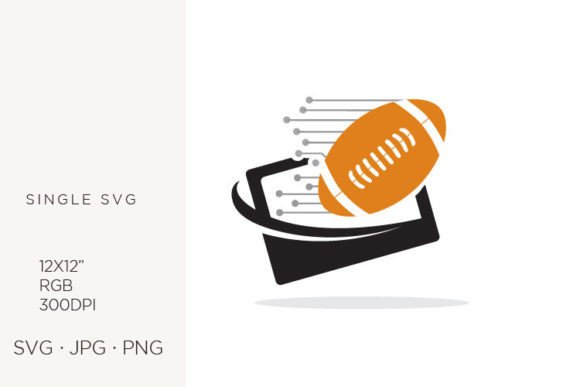
At first glance, a smartphone and a rugby ball may seem unrelated. One represents the pinnacle of modern communication, characterized by glass, light, and minimalism. The other embodies physical exertion, heritage, and tactile grip. However, when merged into a cohesive vector illustration, they tell a story about the modern fan, the connected athlete, or the tech-savvy sports organization. The Smart Phone Screen can serve as a frame or a background, displaying live scores, social media interactions, or training apps, while the Rugby Ball anchors the composition with its recognizable oval shape and stitching details.
This juxtaposition is not merely aesthetic; it reflects real-world behavior. Fans no longer just watch games; they engage with them through their devices. They share highlights, check statistics, and connect with communities online. A design that captures this duality resonates with a broad audience, including sports enthusiasts, digital marketers, and event organizers. By using a single vector artwork that incorporates both elements, designers can create logos and graphics that feel current and relevant.
Technical Foundations of High-Quality Digital Assets
To ensure that these designs maintain their integrity across various applications, the technical specifications of the source files are crucial. Professional-grade digital graphics are typically created in vector programs like Adobe Illustrator. Vector graphics are resolution-independent, meaning they can be scaled to any size without losing clarity. This is essential for a design that might appear on a small business card or a large billboard.
The standard delivery for such assets often includes a zip file containing multiple formats to suit different needs. An SVG file is ideal for web use and cutting machines, offering clean paths and small file sizes. A JPG file at 300 dpi provides a high-quality raster image suitable for printing where transparency is not required. Additionally, a PNG file with a transparent background at 300 dpi allows for seamless integration into existing layouts, websites, or video overlays. The artboard size of 12x12 inches at 300 dpi in the RGB color palette ensures that the colors remain vibrant on screens while providing sufficient resolution for high-quality prints.
Applications in Branding and Corporate Identity
For businesses operating in the sports technology sector, this type of artwork is invaluable. Startups developing fitness apps, sports analytics platforms, or fan engagement tools can use this imagery to create memorable logos. The combination of the Rugby Ball and the Smart Phone Screen instantly communicates the company’s niche. It suggests innovation within a traditional framework, appealing to both purists and modernists.
Beyond logos, these graphics can be used in corporate stationery, letterheads, and email signatures. Consistency in branding is key to building trust and recognition. By utilizing a unified visual theme across all touchpoints, companies can reinforce their message. The vector nature of the file ensures that the logo looks crisp on everything from a mobile app icon to a printed annual report.
Creative Uses in Handmade Crafts and Personal Projects
The versatility of these digital files extends far beyond corporate branding. Hobbyists and crafters can leverage these assets to create unique, personalized items. With the inclusion of an SVG file, users can utilize cutting machines to produce intricate designs for handmade cards, invitations, and announcements. Imagine a birthday invitation for a rugby-loving teenager, featuring a dynamic graphic of a ball emerging from a smartphone screen, symbolizing their passion for the game and their digital lifestyle.
Wall art is another popular application. High-resolution PNG and JPG files allow for the creation of stunning prints that can decorate homes, offices, or sports bars. The 300 dpi resolution ensures that the details of the rugby ball’s stitching and the reflections on the phone screen are sharp and clear. These prints can be framed and displayed as part of a gallery wall, adding a touch of personality and interest to any space.
Furthermore, these designs can be transferred onto various materials using sublimation or heat press techniques. T-shirts, tote bags, and mugs featuring this artwork make excellent gifts for fans and players. The ability to customize colors and layouts means that each item can be tailored to specific preferences, making them truly one-of-a-kind.
Enhancing Event Decor and Party Supplies
Sports-themed parties and events benefit greatly from cohesive visual themes. Whether it is a World Cup viewing party, a team celebration, or a charity fundraiser, having consistent decor enhances the guest experience. The single vector artwork can be scaled and adapted for various party supplies, including banners, table runners, and cupcake toppers.
Digital invitations sent via email or social media can feature animated versions of the graphic, drawing attention and increasing engagement. For physical invitations, the high-quality print files ensure that the text and images are legible and attractive. The transparency of the PNG file allows designers to overlay the graphic onto different background colors or textures, matching the party’s color scheme perfectly.
Web Design and Digital Marketing Integration
In the digital realm, speed and aesthetics are paramount. SVG files are particularly useful for web design because they are lightweight and scalable. They load quickly on mobile devices, contributing to better user experience and SEO performance. Web designers can use the Rugby Ball and Smart Phone Screen graphic as icons, headers, or background elements on landing pages dedicated to sports content.
Social media managers can also benefit from these assets. Creating engaging posts requires eye-catching visuals. The high-resolution JPG and PNG files can be used to create templates for Instagram stories, Facebook covers, and Twitter headers. By maintaining a consistent visual style, brands can build a stronger online presence and foster a sense of community among their followers.
Educational and Informational Content Creation
Educators and content creators can use these graphics to illustrate concepts related to sports science, technology in athletics, or media studies. Presentations and infographics become more engaging when supported by relevant, high-quality visuals. The vector format allows for easy manipulation, enabling educators to highlight specific parts of the image, such as the sensors in a smart device or the aerodynamics of a rugby ball.
Bloggers and journalists covering the intersection of sports and technology can use these images to break up text and add visual interest to their articles. The professional quality of the graphics lends credibility to the content, reinforcing the expertise of the author. By using legally licensed assets, creators avoid copyright issues and ensure that their work remains compliant with platform guidelines.
Considerations for Optimal Usage
While the versatility of these files is a significant advantage, users should consider the context in which they are applied. The RGB color palette is optimized for screens, so if the final output is for print, it is advisable to convert the colors to CMYK to ensure accurate reproduction. Additionally, understanding the target audience is crucial. A design that appeals to young, tech-savvy fans might differ in style and tone from one aimed at traditional club members.
It is also important to respect intellectual property rights. While the vector artwork itself may be licensed for use, incorporating trademarked team logos or player likenesses without permission can lead to legal complications. Users should focus on generic representations of the sport and technology to maintain compliance and ethical standards.
In conclusion, the fusion of Smart Phone Screen and Rugby Ball imagery in a single vector artwork offers a rich resource for a wide array of creative and professional projects. From branding and web design to crafts and event decor, the potential applications are vast. By understanding the technical specifications and leveraging the flexibility of vector graphics, users can create impactful, high-quality designs that resonate with their intended audiences. This approach not only enhances visual appeal but also communicates a clear, modern narrative about the evolving relationship between sports and technology.