Watercolor Clipart Lemons PNG: A Guide to High-Quality Digital Design
In the world of digital design, few elements capture the essence of freshness and elegance quite like hand-painted botanicals. Watercolor Clipart Lemons PNG files have become a staple for creators who want to add a touch of organic warmth to their projects. Whether you are designing wedding invitations, crafting social media graphics, or printing custom fabric, these assets offer versatility that rigid vector shapes often lack. However, not all digital downloads are created equal. Understanding the nuances of resolution, file formats, and licensing can mean the difference between a professional-looking final product and a pixelated disappointment.
Understanding the Value of Hand-Painted Elements
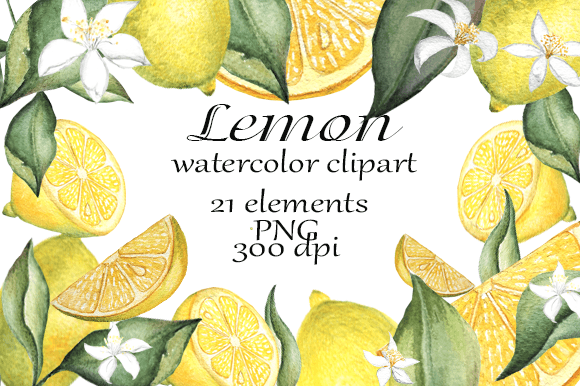
When we talk about handmade watercolor lemon clipart, we are referring to digital assets that retain the texture, bleed, and imperfections of traditional paint on paper. This set includes twenty-one high-quality elements, featuring not just lemons, but also lemon slices, leaves, twigs, and complementary flowers like peonies. The appeal lies in the authenticity. Unlike computer-generated illustrations, watercolor art carries a human touch that resonates with audiences looking for something personal and artisanal.
These graphics are perfect for a wide array of applications. From greeting cards and posters to blogs and business logos, the soft edges and vibrant yellows of lemon imagery evoke feelings of summer, vitality, and cleanliness. For entrepreneurs and small business owners, using such distinct visuals can help establish a brand identity that feels approachable and high-end simultaneously.
Common Mistakes When Choosing Digital Clipart
Many beginners make the error of assuming all PNG files are suitable for any project. This is a critical misunderstanding that can affect the quality of your work. Here are some common pitfalls to avoid when selecting and using watercolor assets.
Ignoring Resolution and DPI
One of the most frequent mistakes is overlooking the technical specifications of the download. A graphic might look crisp on your screen but appear blurry when printed. This happens when the image has a low dots per inch (DPI) count. For professional printing, such as wedding stationery or physical scrapbooking projects, you need a minimum of 300 DPI.
The ideal Watercolor Clipart Lemons PNG set should offer files at approximately 3600 x 3600 pixels. At 12 × 12 inches and 300 DPI, this resolution ensures that your images remain sharp whether they are scaled down for a business card or enlarged for a poster. If you purchase a set with only 72 DPI web-resolution files, you will be unable to use them for any physical production without significant quality loss.
Overlooking File Format Limitations
Another common oversight is failing to verify that the files are true PNGs with transparent backgrounds. JPEG files, for instance, always have a white background. If you try to place a JPEG lemon slice over a colored blog header or a patterned fabric design, you will end up with an unsightly white box around the fruit.
High-quality sets provide RGB PNG files with individual images. This transparency allows you to layer elements seamlessly. You can place a lemon twig behind a peony or overlay a lemon slice on a photo without needing complex editing skills. Always check the product description to confirm that the background is transparent before purchasing.
Misjudging Color Profiles
Digital screens use the RGB color model, while printers use CMYK. Most digital clipart, including this set, is provided in RGB. This is ideal for web design, social media posts, and digital scrapbooking. However, if you are sending files directly to a professional printer, colors may shift slightly. Bright yellows can sometimes print duller than they appear on screen.
To avoid dissatisfaction, it is wise to order a test print if you are producing large batches of physical items like bags or clothes. Understanding that screen colors and printed colors differ helps manage expectations and allows you to adjust brightness or contrast in your design software beforehand.
Maximizing Usability for DIY and Professional Projects
Once you have secured a high-resolution set, the next step is using it effectively. Many users underutilize these assets by placing them statically without considering composition. Because this set includes twenty-one different elements, you have the freedom to create unique compositions rather than relying on pre-made clusters.
- Layering for Depth: Use the individual leaves and twigs to frame your main subject. Placing a semi-transparent leaf behind a bright lemon slice adds depth and realism to your design.
- Pattern Creation: These elements are ideal for creating seamless patterns for paper or fabric printing. By rotating and repeating the lemon slices and flowers, you can generate custom backgrounds for packaging or textile designs.
- Text Integration: When using these graphics for quotes or wedding invitations, ensure the text does not compete with the detailed watercolor textures. Use clean, simple fonts to balance the organic complexity of the hand-painted elements.
What to Check Before Downloading
Before committing to a purchase or download, take a moment to evaluate the provider’s offerings. Look for clear descriptions that specify the number of files included. In this case, receiving twenty-one individual elements offers great value compared to sets that only provide a few composite images. Individual files give you the flexibility to mix and match components, which is essential for custom logo design or unique decoupage projects.
Also, consider the intended use. If you are a blogger or web designer, the instant download format and RGB color profile are perfect for quick implementation. If you are a crafter involved in decoupage or paper crafts, verify that the license allows for commercial use if you plan to sell your finished products. Many creators overlook licensing terms, which can lead to legal issues later on.
Enhancing Your Creative Workflow
Integrating handmade watercolor lemon clipart into your workflow can save time and elevate your aesthetic. Instead of spending hours painting each element yourself, you can focus on layout and messaging. This efficiency is crucial for freelancers and small business owners who need to produce high-volume content without sacrificing quality.
For educators and marketers, these visuals can make educational materials or promotional ads more engaging. A bright lemon slice can draw attention to a key point in a presentation, while delicate peonies can soften the tone of a formal announcement. The versatility of these twenty-one elements means they can adapt to various themes, from rustic chic to modern minimalism.
In conclusion, selecting the right digital assets requires attention to detail. By prioritizing high resolution, transparent backgrounds, and versatile element counts, you ensure that your creative projects meet professional standards. Whether you are designing for digital screens or physical surfaces, quality clipart serves as the foundation for compelling visual communication. Avoid the common traps of low-resolution files and opaque backgrounds, and you will find that these watercolor lemons become an indispensable part of your design toolkit.